Defects to Watch Out For Before Buying a Home
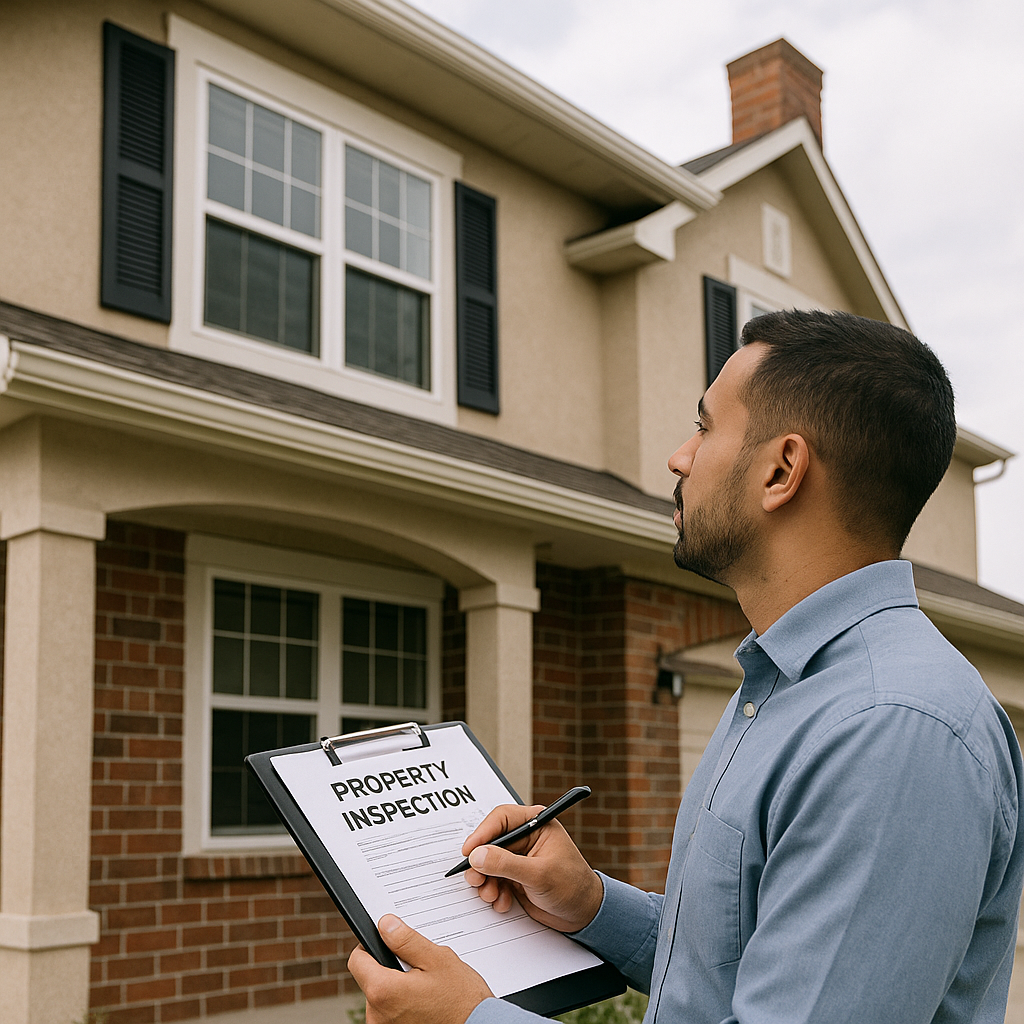
Buying a home is one of the biggest financial decisions in anyone's life. Although excitement may push you to decide quickly, overlooking certain defects can cost you a great deal of money and trouble later on. That is why it is important to inspect the property thoroughly and know the key points to check before buying, to ensure a successful and safe transaction.
In this article we review the most important defects and problems to inspect before buying a home, especially in the Saudi market, where construction quality and offers vary from one area to another.
🔹 1. Structural Problems (Concrete and Steel)
These are among the most dangerous problems because they affect the foundation of the home and its long-term value.
Watch for:
-
Cracks appearing in walls or columns.
-
Slight sloping in the ceiling or floors.
-
Obvious dampness in the foundations.
-
Uneven tile levels or sinking in the flooring.
These signs may indicate weak concrete, soil problems, or engineering errors.
🔹 2. Poor Insulation (Thermal and Waterproofing)
Poor insulation causes:
-
A significant rise in electricity bills.
-
Water leaks from roofs or bathrooms.
-
Uncomfortable heat inside the home in summer.
It is advisable to confirm there is proper insulation for roofs and walls, especially in hot cities such as Riyadh and Dammam.
🔹 3. Plumbing and Sanitary Installation Quality
Among the defects that often do not appear until after moving in, such as:
-
Frequent blockages in drains.
-
Leaks from sinks or cabinets.
-
The sound of water inside walls.
-
Foul odors from bathrooms.
Request a water pressure test before buying, and check the type and quality of the pipes used.
🔹 4. Electrical Problems and Weak Wiring
Poor electrical work means constant faults and a safety hazard.
Watch for:
-
Poor distribution of outlets.
-
Overheating circuit breakers.
-
Non-standard wiring inside electrical rooms.
-
Electrical loads that don't match the number of air conditioners.
It is best to have the home inspected by an electrician to determine the quality of the work.
🔹 5. Poor Room Layout and Space Use
A poor design can make a home uncomfortable no matter how large it is.
Examples of impractical design:
-
A narrow entrance.
-
A small living room despite the home's large size.
-
A kitchen far from the seating areas.
-
No privacy in the master bedroom.
Good design is sometimes more important than space.
🔹 6. Property Age and Maintenance
Older homes can be good, but they may need:
-
Plumbing replacement.
-
Electrical upgrades.
-
Repainting.
-
Repair of cracks and finishing work.
All of this means additional costs that should be factored in before buying.
🔹 7. Location and Nearby Services
Even if the home is excellent, the location can spoil the experience.
Make sure to check:
-
Proximity to schools, hospitals, and main roads.
-
The level of congestion in the area.
-
Nearby truck traffic and factories.
-
The noise level, especially at night.
Location is the number one factor in a home's value over the long term.
🔹 8. Title Deed Status and Legal Documents
A serious defect to be aware of:
-
An undivided title deed.
-
A property subject to a mortgage or dispute.
-
Encroachments on the land boundaries.
-
Construction that does not match the permit.
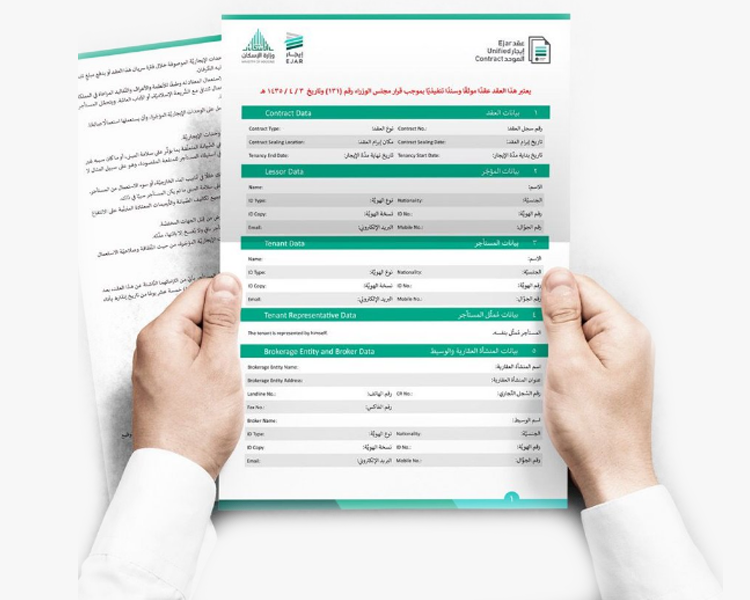
Request a copy of the title deed + building permit + zoning sketch.
🔹 9. Comparing the Price to the Market
A very low price may hide:
-
Major defects.
-
Problems with the location.
-
Poor construction quality.
-
Urgent offers to sell quickly.
Investigate the reasons behind the price before making any decision.
✅ Summary
Buying a home requires a careful inspection and analysis of all aspects: the structure, insulation, wiring and plumbing, location, legal papers, and price.
The more thorough your inspection, the greater your chance of buying a comfortable, safe home that is a good long-term investment.