How to Negotiate Rent — Professional Tips
Negotiating rent is an important skill for every tenant who wants to get the best price without harming their relationship with the landlord. With growing demand for residential and commercial units in Saudi Arabia, it has become essential to know the right approaches that help you negotiate smartly, protect your rights, and secure a fair price.
In this article we present the best professional approaches to negotiating rent, backed by practical tips suited to the Saudi property market today.
🔹 1. Research Before Negotiating
Knowledge is power, so it is important to know:
-
The average rent in the district or area.
-
The prices of comparable units (size — age — location — services).
-
Whether the area has high or low demand.
The better informed you are about prices, the stronger and more confident your negotiating position.
🔹 2. Choose the Right Time to Negotiate
There are times when landlords are more willing to lower rent, such as:
-
When units have been vacant for a long time.
-
During slow seasons (such as the summer months or the period after the holiday rush).
-
When the area or building no longer has strong demand.
Choosing the right timing can secure you a significant difference in price.
🔹 3. Show Your Commitment as a Tenant
Landlords like serious tenants, so try to highlight:
-
That you are committed to paying on time.
-
That you are looking for a long lease (one or two years).
-
That you are a tenant who looks after the property.
This type of tenant is preferred by landlords, who may therefore accept a lower rent in exchange for stability.
🔹 4. Ask for a Better Offer Respectfully
Don't start by demanding a reduction directly. It is better to say:
"The property really suits me, but my available budget is (…). Could we review the rent amount?"
This approach opens the door to discussion without sensitivity and shows your respect for the landlord.
🔹 5. Negotiate on Benefits, Not Just Price
If the landlord is not willing to reduce the rent, ask for:
-
A grace period before payment.
-
Improvements to the apartment (painting, air conditioners, maintenance).
-
Additional parking spaces.
-
Renewing the lease at the same rent.
Sometimes non-price gains are worth more to you.
🔹 6. Make a Reasonable Offer
Don't ask for an excessive reduction; it is best for it to be:
-
Between 5% and 10% for units in high demand.
-
Between 10% and 20% in areas with lower demand.
A reasonable offer shows that you understand the market and are not overreaching.
🔹 7. Use Data in Your Favor
Tell the landlord:
-
"A comparable unit rents for less by…"
-
"The building has vacant units…"
-
"The property's age is high compared with its price…"
These points support your position with numbers rather than words.
🔹 8. Be Ready to Walk Away
If you cannot reach a fair agreement, be ready to look for an alternative.
Showing that you are not obliged to accept will make the landlord reconsider.
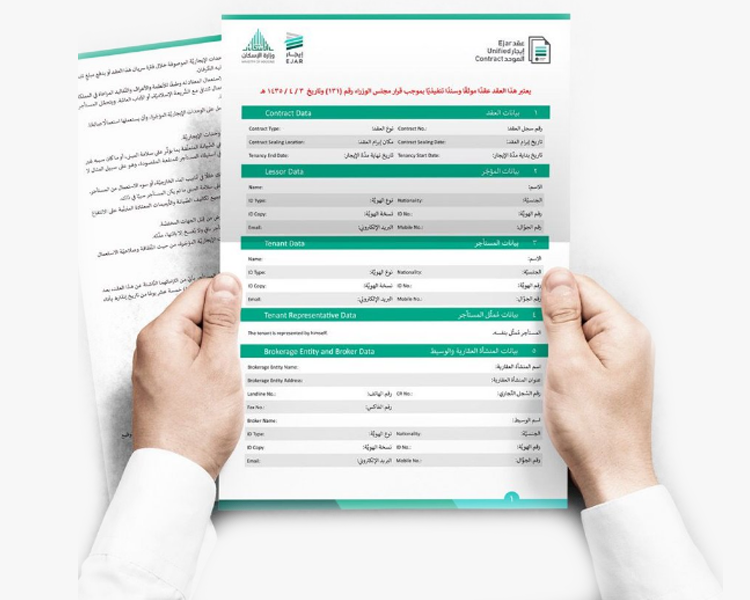
🔹 9. Document Everything via Ejar
After agreement:
-
Document the contract electronically.
-
Confirm the rent amount, lease term, and renewal conditions.
The negotiation ends here, and the protection of your rights begins.
✅ Summary
Negotiating rent is not a confrontation; it is a process built on knowledge, respect, and skill. The better you understand the market and the calmer you remain in dialogue, the greater your chance of securing a price that suits both you and the landlord.