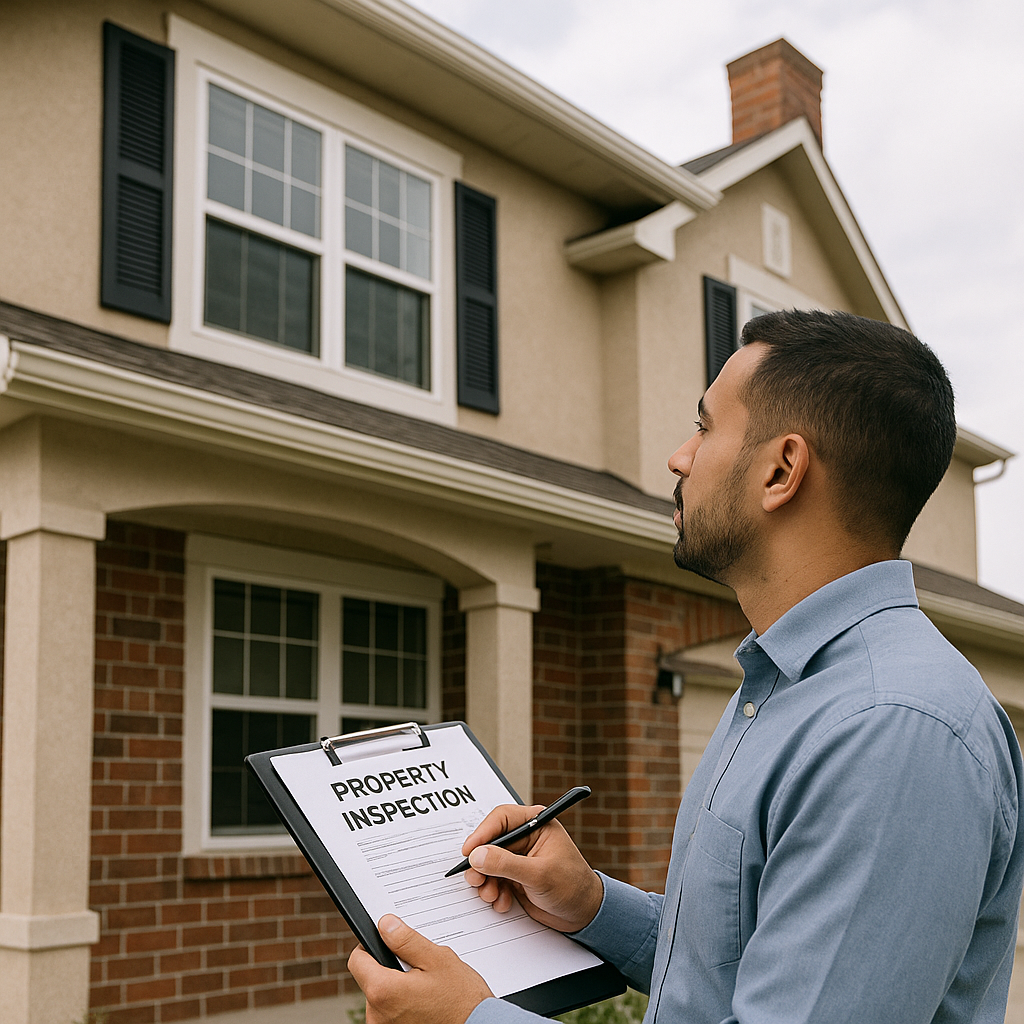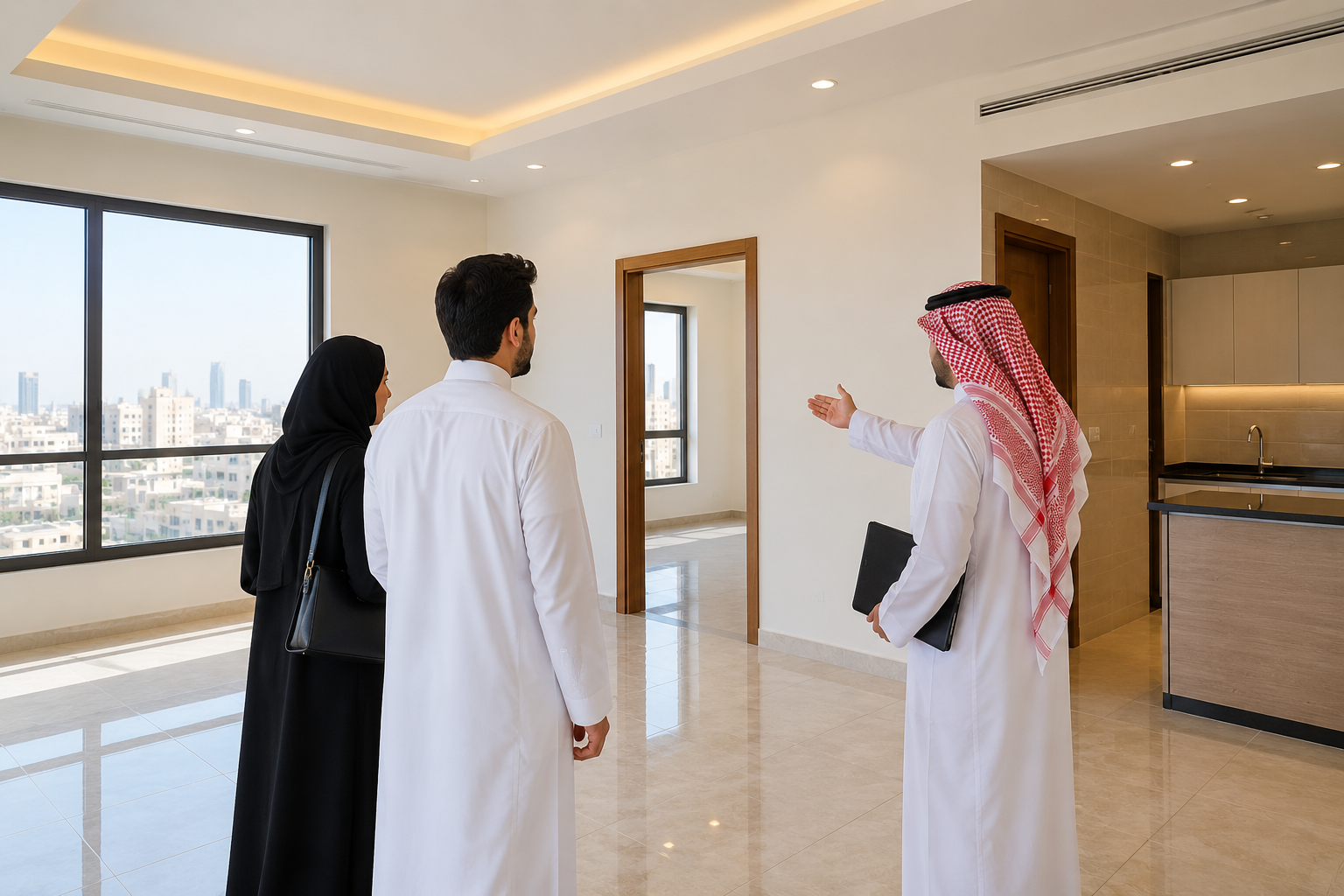
Inspecting an apartment before renting it is your only chance to spot defects before they become your problem. Fifteen minutes of organized checking can save you months of damp, water cuts, or disputes with the landlord when you move out. This is a practical checklist to take with you on the viewing, arranged from outside the building to inside the apartment.
Before the appointment: Ask for the viewing during the day, and arrive at a time close to when you would normally leave for work and return, if possible, so you see the neighborhood and the traffic as you will experience them. Bring a charged phone and a small phone charger to test the sockets.
First: The Building and Entrance
- Condition of the entrance and stairs: Cleanliness, lighting, and general maintenance tell you how the whole building is managed, not just the apartment.
- The elevator: Does it work? Does it have a recent maintenance certificate? If the apartment is on a higher floor, this is a core question, not a detail.
- Parking: Do you have a dedicated space, or is parking on the street? Ask directly and do not assume.
- Water tank: Ask where it is (rooftop or ground level), when it was last cleaned, and whether it is shared with other apartments.
- Security: Does the building door lock? Is there a guard or cameras? Is there a fire extinguisher on the stairs?
Second: Inside the Apartment
Damp and Leaks
- Check the ceilings and wall corners, especially in bathrooms, the kitchen, and rooms adjacent to them. Dark patches or bubbling paint are signs of a leak.
- Look under the sinks and behind the drain traps: old water stains or swollen wood in the cabinets.
- Smell the closed rooms: the smell of damp is not hidden by fresh paint.
- If the apartment is on the top floor, ask about roof insulation; heat and leaks in winter often come from there.
Water and Drainage
- Open every tap for a minute: Is the pressure good? Does hot water arrive?
- Pull the plugs and let water run in the sinks and bathtub: Does it drain quickly or pool?
- Ask: Are there water cuts in summer? Does the apartment have its own water heater?
Electricity and Air Conditioning
- Test the sockets with the phone charger, and switch on all the lights.
- Run all the air conditioners and wait a few minutes: Do they actually cool? Is there any unusual noise or dripping? In our cities this item alone may change your decision.
- Ask: Is the electricity meter separate for the apartment? A shared meter is a constant source of disputes over splitting the bill. The same goes for the water meter, if there is one.
- Look at the electrical panel (the breaker box): Is it neat and covered, or are there exposed wires?
Doors, Windows, and Kitchen
- Open and close every door and window, and test the locks. Windows that do not close properly mean dust and heat.
- In the kitchen: the cabinets, the countertop, and the gas outlet if there is one, plus where the refrigerator and washing machine go and their connections.
- Are the kitchen appliances, air conditioners, and water heaters included in the rent, or will the previous tenant or the landlord take them? Write down the answer.
Signs of Pests
Check the corners of the kitchen, behind appliances, and under the cabinets. Signs of cockroaches or termites on wood do not show up in photos, but they are clearly visible during an in-person viewing.
Third: The Neighborhood and Surroundings
- Noise: Is the apartment on a main road, or near a shop, a workshop, or a school? Open the window and listen.
- Services: The mosque, grocery store, pharmacy, and schools, and how far they are on foot or by car.
- Your commute: Test the journey to your workplace at rush hour on a map app before you decide.
- Neighbors: If you get the chance, ask a resident about the building and the landlord; this is the most honest information you can get.
Fourth: Questions to Ask the Landlord or Broker
- What is the exact annual rent? How many installments are there, and when are they due?
- Who pays for maintenance? What is the landlord's responsibility and what is the tenant's?
- Are there other fees: services, guard, deposit, commission?
- What is the contract term? What are the renewal conditions and the conditions for early termination? (Also read: When is the landlord entitled to raise the rent?)
- Why did the previous tenant leave? When?
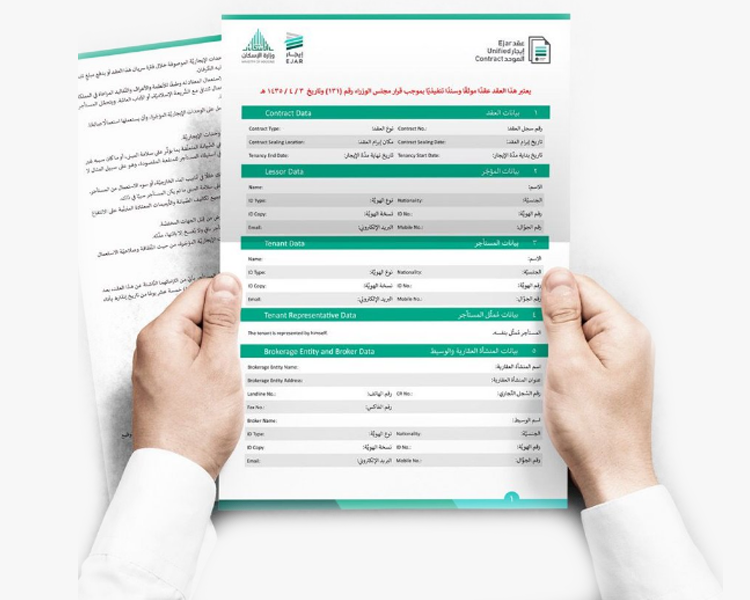
- Will the contract be documented electronically through the Ejar platform? A documented contract protects both parties, and a "no" is a sign that warrants pause.
Fifth: Before Moving In, Document Everything
After signing and before moving your furniture in, photograph and video the entire apartment: the walls, floors, doors, air conditioners, and meter readings. Send them to the landlord in a written message dated that day. When you leave, these photos are what will settle any dispute over "damages" and the deposit, not your memory.
Quick Checklist to Take With You
- ☐ Damp on ceilings, walls, and in bathrooms
- ☐ Water pressure, hot water, and drainage
- ☐ Air conditioners work and cool
- ☐ Separate electricity meter
- ☐ Sockets, lighting, and the electrical panel
- ☐ Doors, windows, and locks
- ☐ Kitchen and appliances: what is included in the rent
- ☐ Elevator, parking, and water tank
- ☐ Noise, services, and the commute to work
- ☐ Installments, fees, maintenance, and contract term
- ☐ Contract documented via Ejar
- ☐ Photos of the apartment before moving in
After the Viewing
If you find notes that do not cancel your interest in the apartment, make them part of the agreement: repairs before move-in, or a deduction from the rent. Review How to Negotiate the Rent and Tips Before Signing a Lease. If you are torn between renting and buying, read Should I Buy a House or Rent?
Start with properties listed for rent in licensed listings, or submit your request with the district and budget that suit you, and let landlords and brokers make offers.